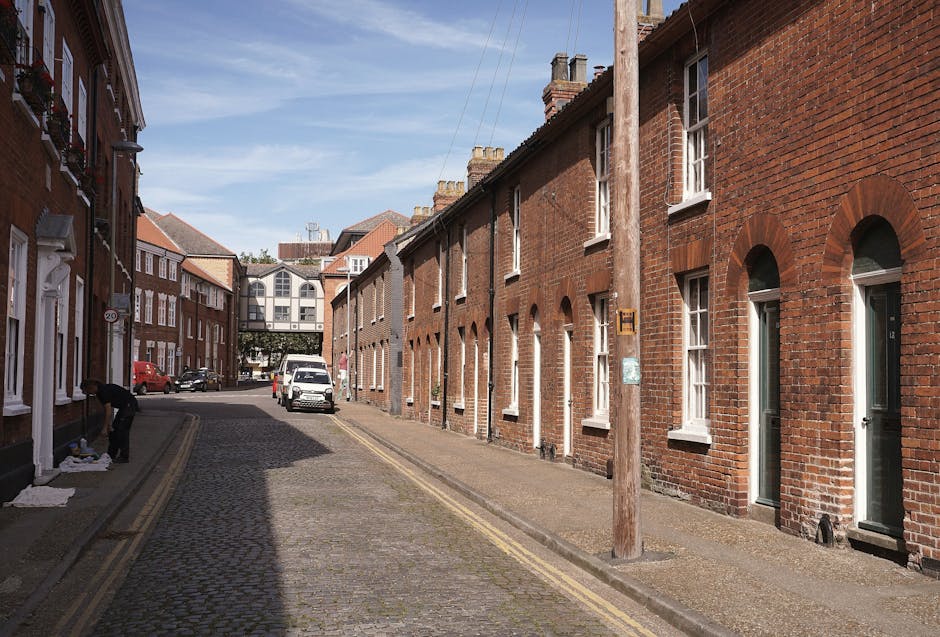
Guildford GU1 House Removals for Narrow Streets and Parking: A Practical Guide
Moving house in Guildford GU1 can feel straightforward right up until you picture the van trying to squeeze through a tight street, a neighbour's car sitting half on the kerb, and nowhere sensible to unload. That is exactly where Guildford GU1 house removals for narrow streets and parking becomes a very different job from a standard move. The plan needs to be tighter, the timing sharper, and the unloading process a bit more strategic. Done well, it saves time, protects your belongings, and avoids a fair amount of stress.
This guide explains how to prepare for a move in a restricted-access part of Guildford, what the removal team is trying to solve on the day, and which small decisions make the biggest difference. If you are weighing up options, it also helps you understand when a larger removal vehicle works, when a smaller van is the smarter choice, and why parking planning matters almost as much as packing.
In practice, narrow roads are not just an inconvenience. They can affect arrival times, loading distance, carrying risk, and even whether the move finishes in daylight or drags into the evening. So let's look at it properly.
Why Guildford GU1 house removals for narrow streets and parking Matters
Guildford's central streets and older residential roads often reward careful planning. Not every property has a private driveway, and not every road gives a removal van the luxury of easy turning space. If the vehicle cannot stop close enough, every box, table, wardrobe, or mattress has to travel farther by hand. That adds labour, slows the job, and increases the chance of knocks and scrapes. Simple really, but easy to underestimate.
Parking is often the hidden problem. A move can look perfectly organised on paper and still go sideways if the van cannot legally or safely park within a sensible carrying distance. In narrow streets, a few minutes of blocked access can snowball into a frustrating delay. Residents need access, neighbours need access, and the removal crew still has to work without causing avoidable disruption.
There is also the emotional side. House moves are already full of little stressors: last-minute box labels, a missing charger, the kettle packed at the exact moment you want tea. Add awkward parking and you have a recipe for unnecessary tension. A move that anticipates those issues feels calmer from the first box to the final walk-through.
Key takeaway: in GU1, access planning is not an optional extra. It is part of the move itself, and it can shape the cost, timing, and overall experience.
How Guildford GU1 house removals for narrow streets and parking Works
The process usually starts with assessing the property access rather than the furniture list. That is a good sign. A removal team needs to know whether the road is one-way, whether there is limited passing space, whether there are permit restrictions, and how far the van may need to park from the front door. With that information, they can choose the right vehicle and plan the loading sequence.
In a narrow-street move, smaller and more manoeuvrable vehicles are often easier to position. Sometimes a compact removal van is enough; sometimes the move needs a better balance of size and access than a full-size truck would offer. The goal is not simply to bring the biggest vehicle available. The goal is to bring the right one for the street, the parking, and the property layout.
On the day, the team will normally aim to:
- arrive at the agreed time window with the correct vehicle
- check where loading can happen safely and legally
- protect hallways, bannisters, and door frames where needed
- move the heaviest items first or in the most efficient sequence
- keep walking routes as short and clear as possible
- adjust the plan if a resident car, delivery van, or road obstruction changes access
That flexibility matters. Truth be told, no access plan survives first contact with a busy street exactly as imagined. There is nearly always something: a neighbour reversing out, a bin lorry, a temporary cone, a van that arrives five minutes early and takes the best spot. The best crews do not panic. They adapt.
If packing is still underway, or you want help with the whole process rather than just transport, services such as packing and boxes can make the move much easier. A properly packed box stack loads faster, carries better, and is far less likely to shift on a short walk from van to front door.
Key Benefits and Practical Advantages
Choosing a removal approach that is built around narrow streets and parking constraints offers more than convenience. It can directly improve the quality of the move.
1. Less carrying distance
The closer the vehicle can get to the property, the less time teams spend walking items up and down the street. That matters with heavy furniture, awkward mirrors, or boxes full of books. You may not notice the difference with one item, but over a full house move it adds up quickly.
2. Better control over fragile items
When people are forced to carry items farther than expected, they tend to rush. That is when corners get chipped and boxes get knocked. A shorter transfer usually means steadier handling.
3. Smoother timings
Moves in restricted-access streets often have a domino effect. If unloading takes longer than expected, the rest of the schedule slips. Good access planning helps keep the day on track, which is especially useful if cleaners, estate agents, or new occupants are waiting in the wings.
4. Less street disruption
Neighbour relations matter. Nobody wants to be "that move" blocking a road for half the morning. A tidy parking plan keeps things respectful and reduces friction in a busy residential area.
5. Lower risk of avoidable damage
Long carries, awkward turns, and hurried parking all increase the chance of damage to furniture, walls, and floors. A move planned around access usually feels more controlled from start to finish.
For some households, the move is especially time-sensitive. In those cases, a quicker service like same-day removals may be worth discussing, though only if the access is workable and the load size is realistic. Same-day is useful, but it is not magic. You still need a sensible plan.
Who This Is For and When It Makes Sense
This type of planning matters for a lot of people, not just those on famously tight streets. If any part of the move involves tricky access, you will feel the benefit.
- Town-centre homeowners moving from terraced houses or period properties with little parking
- Families with multiple rooms of furniture and limited roadside stopping space
- Older residents who want a calm, careful move with less physical strain
- Landlords and sellers needing a clean handover without street chaos
- People moving at busy times when parking bays are already taken
- Anyone with large furniture that is awkward to carry around tight corners or steps
It is also a smart fit for anyone who has already had the "we'll just park outside" conversation and knows, deep down, that it will not quite work out. Happens all the time.
If your move is smaller, a flexible option such as man with van or man and van may be the better fit, especially where access is tight and speed matters more than a full household load. On the other hand, if you are moving the contents of a larger family home, a more structured house removals service can be more efficient overall.
Step-by-Step Guidance
A good move in narrow streets is rarely improvised. It is built from a series of small, practical choices.
- Assess the street access early. Look at the road width, corners, parked cars, and whether a van can reasonably stop nearby. If there is a loading bay, note its limitations. If there are residents' permits, time restrictions, or single-file sections, write them down.
- Measure larger furniture. Doorways, stair turns, wardrobes, sofas, and beds should all be checked. A sofa may fit in the van but not around the first-floor landing. That is the kind of thing people only discover when the clock is already ticking.
- Choose the right service level. A compact move may only need a van and a couple of hands. A fuller household may need a broader moving team and possibly the support of removals specialists who can manage packing, loading, transport, and placement.
- Prepare a parking plan. Decide who is allowed to park where, what time the vehicle should arrive, and whether anything can be moved temporarily to create space. If a neighbour's vehicle consistently occupies the best spot, it is worth planning for that rather than hoping for a miracle.
- Label and stage boxes clearly. The more obvious the room destination, the faster unloading becomes. Place essential items in a clearly marked "first night" box so you are not rummaging through five cartons looking for toilet roll at 9pm.
- Protect the property. Use floor coverings, corner guards, and careful carrying routes if the stairs or hallway are tight. Protection feels tedious until the first scratch is avoided. Then it feels brilliant.
- Keep access updated. If a road closure, delivery, or neighbour issue appears, tell the removal team quickly. Good communication can save a small problem from becoming a day-ruiner.
For families who are moving between homes and need short-term flexibility, storage can also take pressure off the schedule. That is often useful when completion dates do not line up neatly or when a property is not ready on the exact same day.
Expert Tips for Better Results
Over the years, the jobs that run smoothly tend to share the same quiet habits. Nothing flashy. Just disciplined prep.
- Book the earliest sensible time slot. Morning parking is often easier than late morning or midday in busier residential areas.
- Keep a clean route from door to van. Bins, bikes, plant pots, and recycling bags can become annoying trip hazards. Clear them before the crew arrives.
- Pack by weight, not just by room. One box of books can be far more awkward than three boxes of clothes. Balance matters.
- Set aside parking alternatives. If the ideal space is taken, know the next-best option in advance. Have a backup, always.
- Use stronger boxes for heavy items. Flimsy packaging and steep stairs are a poor match. Let's be honest, they are asking for trouble.
- Tell the team about unusual access. Steep inclines, low branches, a slippery alley, or a door that sticks should be mentioned upfront.
- Remove loose parts from furniture. Table legs, shelf pins, cushions, and small screws should be bagged and labelled. Otherwise they seem to vanish into another dimension for a week or two.
If you are comparing providers, it can help to ask how they handle access issues, whether they offer flexible vehicle sizes, and how they manage insurance and safety. Pages such as insurance and safety and health and safety policy are useful places to understand the standards a company should be working to.
Common Mistakes to Avoid
Most moving day headaches are not dramatic. They are small errors that stack up. Annoying, but preventable.
Underestimating the parking issue
The biggest mistake is assuming parking will "sort itself out" on the day. In a narrow street, that is risky thinking. If the van has to wait, the whole job slows.
Not checking van size against access
A large vehicle may carry more, but it may also be harder to position. If the street is tight, the best vehicle is not always the biggest one.
Packing too late
Last-minute packing tends to create heavy, badly balanced boxes. Those are awkward to move and unpleasant to lift. Nobody enjoys a box that threatens to split at the bottom halfway up the stairs.
Leaving personal parking arrangements too vague
If you have to ask a neighbour to shift a car or use a temporary space, make that plan clear in writing or by message. Vague arrangements lead to awkward delays.
Forgetting to tell the removal team about access quirks
That tiny side gate, steep step, or narrow internal turn might seem obvious to you because you live there. It is not obvious to someone arriving fresh on a moving morning. Say it anyway.
Trying to do too much on one day
Cleaning, last-minute shopping, school runs, keys, utilities, and moving all at once? That is a lot. If you can simplify even one part of the day, do it.
Tools, Resources and Recommendations
You do not need a van full of fancy kit to move well, but a few practical tools make a real difference.
| Tool or resource | Why it helps | Best used for |
|---|---|---|
| Measuring tape | Checks furniture, doors, and stair turns before moving day | Sofas, wardrobes, beds, appliances |
| Strong packing tape | Keeps boxes secure through longer carries | Books, kitchenware, mixed household items |
| Box labels | Makes unloading faster and reduces guesswork | Room-by-room sorting |
| Furniture blankets and wraps | Protects finishes from scuffs and knocks | Tables, cabinets, mirrors, white goods |
| Floor protection | Helps preserve hallways and stairs in tight homes | Older properties, narrow entryways, rental homes |
| Parking plan notes | Keeps everyone aligned on where the vehicle can safely stop | Busy streets and permit areas |
It also helps to choose support services based on the move, not on habit. For example, home moves suits a fuller residential move, while flat removals may be better where stairs, access, and parking are all part of the challenge. If you have furniture that is no longer going with you, furniture removals or even furniture pick up can help clear space without turning the day into an extra chore.
Law, Compliance, Standards, or Best Practice
For a house move in a tight Guildford street, the key compliance issues are usually practical rather than complicated. You are mainly looking at safe loading, sensible parking, and respect for local access rules. That means checking permit restrictions where relevant, avoiding blocked driveways, and making sure vehicles are not parked in a way that creates unnecessary risk.
Professional movers should also work with proper insurance and clear safety processes. That is not just box-ticking. It matters if a staircase is awkward, if furniture is heavy, or if a tight turn requires a second pair of hands and a better plan. A careful crew will usually prioritise safe lifting, controlled movement, and protection for the property. That is the right standard, plain and simple.
If you are choosing between providers, it is sensible to ask about their terms, payment security, and complaints process. Those pages are there for a reason. Payment and security should feel transparent, and terms and conditions should explain what is included. If you ever need it, the company should also have a clear complaints procedure. That does not mean you expect trouble. It just means you value professionalism.
Environmental practice is worth thinking about too. If a move produces unwanted items, a responsible service can help direct them toward reuse or proper disposal. You can also look at the company's recycling and sustainability approach. Small thing? Maybe. But it matters more than people think.
Options, Methods, or Comparison Table
Not every move in GU1 needs the same setup. The best option depends on access, volume, and how much handling you want the team to do.
| Option | Best for | Pros | Trade-offs |
|---|---|---|---|
| Man and van | Smaller moves, awkward parking, a few rooms of items | Flexible, compact, often easier in tight streets | Less suitable for large family homes |
| House removals | Full household moves with more furniture | Structured and efficient, good for bigger loads | Needs access planning and possibly more space |
| Flat removals | Properties with stairs, shared entrances, or limited parking | Designed around access challenges | May still require careful scheduling |
| Removals with storage | Moves with timing gaps or delayed completion | Reduces pressure if dates do not line up neatly | Requires extra planning around inventory and timing |
For students, shared homes, or smaller loads, student removals can be an efficient fit. For business moves, the same parking and access logic applies, but with office equipment and time pressure added into the mix, so commercial moves or office removals may be more suitable.
Case Study or Real-World Example
Here is a realistic example from the sort of move that happens all the time in GU1.
A two-bedroom terraced house near a narrow residential road needed a full move out on a weekday morning. The property had no driveway, the road allowed only limited stopping space, and a neighbour's car was usually parked in the spot closest to the front gate. Rather than leave everything to chance, the household measured the larger furniture the week before, packed room by room, and flagged the access issue early. The removal team brought a smaller vehicle rather than a bulky truck, because the priority was to get close to the property without blocking the street.
On the day, the van parked a short distance away, but not far enough to create chaos. The route from front door to vehicle stayed clear, and the heaviest items went out first while the hallway was still tidy. A wardrobe needed to be turned carefully at the landing, which had already been warned about, so nobody was surprised. That one detail saved time. It always does.
The move still had its little moments. A brief pause while a delivery van squeezed past. A last-minute hunt for the kettle. The usual. But because the access plan was realistic, the whole move felt manageable rather than frantic. By mid-afternoon, the keys had been handed over and the house was empty without any damage drama or parking headache. Exactly how a move should feel, to be fair.
Practical Checklist
Use this checklist before moving day. It is short, but it covers the things people most often forget.
- Confirm whether the street allows loading near the property
- Check for parking permits, time limits, or restricted hours
- Measure sofas, wardrobes, beds, and large appliances
- Measure stair turns and narrow doorways inside the property
- Tell the removal team about access issues in advance
- Label boxes by room and note fragile items clearly
- Set aside a parking fallback plan if the closest space is taken
- Pack a first-night box with essentials, documents, and chargers
- Protect floors, corners, and bannisters where needed
- Keep keys, paperwork, and payment details in one easy-to-reach place
If you are still deciding between a few move styles, removal services can be a useful starting point for comparing what level of help you actually need.
Get a free quote today and see how much you can save.
Conclusion
Guildford GU1 house removals for narrow streets and parking are all about planning the move you actually have, not the move you wish you had. Narrow access, limited parking, and busy residential roads do not have to turn moving day into a headache. They just need a better plan than average.
When the access is thought through early, the right vehicle is chosen, and the packing is organised with care, the whole experience becomes calmer. You spend less time worrying about where the van will fit, and more time getting settled into your new place. That is the real win. A move that feels controlled, respectful, and a bit less noisy than expected.
And honestly, that first cup of tea in the new house tastes better when you have not spent the morning fighting the street.
Frequently Asked Questions
How do you handle house removals on narrow Guildford streets?
The main approach is to assess access early, choose a suitable vehicle size, and plan the carry distance from van to door. Good communication before moving day makes a big difference.
What if there is no parking right outside my house?
That is common in GU1. A removal team can usually work from the nearest safe and legal stop, but the move needs to be planned around that extra walking distance.
Is a smaller van better for tight roads?
Often, yes. A smaller van is easier to position and may reduce delays in streets with limited space. The best choice depends on the load size as well as the road layout.
Should I reserve parking for the removal van?
If parking is likely to be tight, it is worth planning alternatives in advance. The exact approach depends on local restrictions, but having a clear parking plan is wise.
How far in advance should I mention access problems?
As early as possible. Access issues should be shared before the quote is confirmed if you can. That helps the team recommend the right vehicle and avoid surprises.
Can I still move a large wardrobe in a narrow house?
Usually yes, but it may need careful dismantling or a planned route through the property. Measuring doorways and stair turns beforehand is the safest way to avoid trouble.
What is the best time of day for parking in busy residential areas?
Early morning is often easier, though every street is different. The key is to choose a time when traffic, school runs, and commuter parking are less likely to interfere.
Do narrow streets make removals more expensive?
They can increase time and labour if items have to be carried farther or if access is awkward. It depends on the property, the vehicle, and how complex the loading is.
What should I pack first for a move with tricky access?
Pack non-essentials first, then create a clearly labelled essentials box for the first night. Keeping boxes sturdy and evenly weighted matters more than people think.
Can you combine removals with storage if completion dates do not line up?
Yes, that can be a sensible option. If one property is not ready in time, storage helps avoid rushed decisions and makes the move more manageable.
What should I ask a removal company before booking?
Ask how they handle narrow streets, whether they recommend a particular vehicle size, what insurance they provide, and how they manage payment and terms. Those answers tell you a lot.
Is this type of move suitable for flats as well as houses?
Absolutely. In fact, flat moves often have the same access and parking challenges, plus stairs or shared entrances. The principles are very similar.