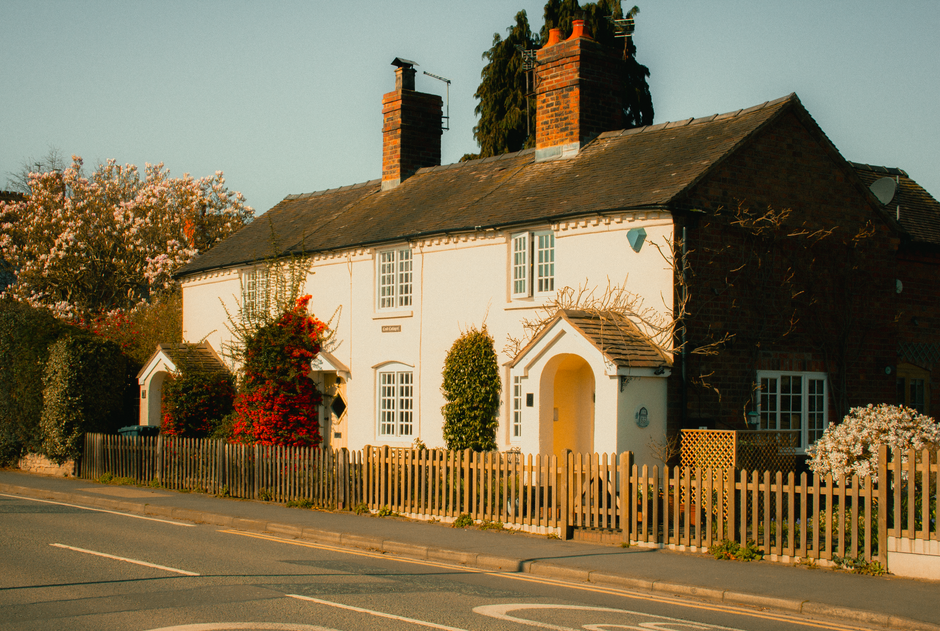
Box Hill cottage removals access solutions in Surrey

Moving house in and around Box Hill can feel simple on paper and awkward in real life. Cottages often come with narrow lanes, low walls, awkward turns, limited parking, and steps that seem to appear out of nowhere. That is exactly why Box Hill cottage removals access solutions in Surrey matter so much: they turn a stressful move into a planned, manageable job. If you are trying to move fragile furniture, bulky wardrobes, or just the contents of a long-lived family home, the access plan is often what decides whether the day feels calm or chaotic.
In this guide, we will break down how access solutions work, what to look out for, who needs them, and how to prepare properly. We will also cover practical steps, common mistakes, and the sort of small details that can save you a headache at the last minute. Truth be told, it is rarely the sofa that causes the trouble. It is the gate, the driveway, or the neighbour's car parked exactly where you hoped the van would go.
Why Box Hill cottage removals access solutions in Surrey Matters
Box Hill is beautiful, but cottage access can be tricky. Older properties in Surrey often sit on compact plots, with shared lanes, steep approaches, uneven surfaces, and very little turning space. Add in seasonal traffic, hedges that narrow sightlines, and parking that disappears faster than you expect, and a removal day suddenly becomes a logistics exercise.
Access planning matters because it affects nearly every part of the move:
- how close the van can safely park
- how far items need to be carried
- whether larger furniture can be loaded directly
- how many people are needed on the day
- whether specialist equipment is required
For cottage removals, the difference between a smooth move and an exhausting one is often just a few metres of access. A van parked near the entrance is one thing. A van parked at the end of a lane with a long carry over gravel and steps? That is a different story altogether.
Good access solutions also help protect the property. Narrow hallways, painted walls, low doorframes, and original flooring can all be vulnerable during rushed handling. A careful plan reduces the chance of knocks, scrapes, and that sinking feeling when someone says, "I think it will fit if we tilt it a bit."
If you are comparing moving support in Surrey, it can help to understand the wider service options too. Many people pair access planning with home moves, flexible removal services, or a smaller vehicle through man with van support when a full-size lorry would be impractical.
How Box Hill cottage removals access solutions in Surrey Works
Access solutions start before the moving crew arrives. In practice, they are a mix of site understanding, vehicle choice, timing, packing method, and on-the-day coordination. The aim is simple: make the route between the property and the vehicle as short, safe, and predictable as possible.
Here is how it usually works.
1. Assess the property approach
Start with the basics: road width, lane bends, gate width, driveway length, steps, slope, and where the vehicle can legally and safely stop. A cottage may look straightforward from the front, but the rear access could be tighter than expected. Sometimes the best loading point is not the front door at all. It may be a side path, a courtyard, or a nearby hardstanding area.
2. Match the vehicle to the access
The wrong vehicle choice creates avoidable problems. A large moving truck can be ideal for volume, but it may not suit a narrow Surrey lane. A smaller removal van or a flexible man and van setup may be far easier to place close to the property. Sometimes the solution is a hybrid approach: park bigger vehicles away from the tightest point and use a smaller van or shuttle runs for the last stretch.
3. Plan the loading route
The route from house to vehicle should be treated like a working path, not an afterthought. Loose stones, wet grass, muddy slopes, and narrow garden borders can all create slip hazards. A few boards, floor protection, and clear walkways can make a surprisingly big difference. To be fair, this is the sort of thing nobody notices until it goes wrong.
4. Decide whether shuttle loading is needed
Shuttle loading means moving items from the cottage to a larger vehicle using a smaller vehicle or repeated short runs. It is common where direct access is limited. This can sound slower, and yes, it sometimes is. But it can also be the safest and most efficient option when a full-size van simply cannot get close enough.
5. Handle parking, timing, and neighbours carefully
In smaller Surrey villages and cottage clusters, parking can become the biggest friction point. If a road is tight, it helps to move at quieter times where possible and let neighbours know. That small bit of courtesy avoids blocked drives, angry messages, and awkward "who's moving what and when?" conversations at the gate.
For some moves, access planning may be paired with packing and boxes or even packing and unpacking services to reduce handling time. Less loose clutter means faster loading, fewer trips, and fewer chances for damage.
Key Benefits and Practical Advantages
Well-planned cottage access solutions are not just about convenience. They shape the whole moving experience.
- Less physical strain: shorter carries reduce fatigue, especially for heavy items like wardrobes, appliances, and boxes of books.
- Lower damage risk: fewer turns, fewer lifts, and fewer awkward angles mean fewer opportunities to damage the property or the furniture.
- Better time control: with access sorted, the move is more predictable and less likely to run long.
- Improved safety: stable routes, clearer parking, and sensible handling reduce trip and lifting risks.
- Less stress for everyone: clients, neighbours, and removals crews all have a better day when access is thought through properly.
There is also a subtle benefit people often overlook: confidence. When you know the team has already thought about the gate width, the slope, the parking restrictions, and the turning circle, you relax. You stop worrying about the "what if" moments. And moving day already has enough of those.
If your move involves larger or unusual items, it may be worth looking at specialist support such as furniture removals or piano removals, especially where access is tight and manoeuvring space is limited.
Who This Is For and When It Makes Sense
This kind of access planning is most useful for anyone moving from or into a cottage, period property, or rural home with awkward access. That includes older homes in the Box Hill area, but also nearby Surrey properties with the same kinds of constraints.
It makes sense if you are:
- moving from a cottage with a narrow lane or steep driveway
- dealing with limited parking or restricted loading space
- moving large furniture through compact hallways
- trying to minimise disruption to neighbours or shared access roads
- working to a tight schedule and need the job done efficiently
- moving valuables, antiques, or fragile items that need careful handling
It can also be a smart move if you are downsizing. A cottage clearance or partial move may involve a mixture of keep, donate, store, and remove decisions. In those cases, services like storage or furniture pick up can help reduce pressure and keep the route manageable.
Students and renters sometimes assume access planning is only for larger houses. Not really. A compact flat above a cottage-style property can be just as fiddly, which is where student removals or flat removals can come into the picture.
Step-by-Step Guidance
Here is a practical way to approach Box Hill cottage removals access solutions in Surrey without overcomplicating it.
- Walk the route yourself. Start at the front door and follow the path to where the van is likely to park. Notice slopes, narrow turns, low branches, steps, and slippery surfaces.
- Measure the tight spots. Gate width, doorway width, staircase turns, and driveway length matter more than most people think. Even rough measurements help.
- Photograph the access points. Pictures of the entrance, lane, parking spot, and any obstacles can be very useful for planning. A quick photo at 8 a.m. is often more honest than a memory from last week.
- List the bulky items. Sofas, beds, wardrobes, dining tables, mirrors, and appliances usually drive the access strategy.
- Decide on vehicle size. A smaller vehicle may make sense if the lane is tight. For bigger loads, consider whether a larger vehicle can wait nearby while a smaller vehicle handles the final approach.
- Prepare the property. Clear hallways, remove loose rugs, protect corners, and make sure the route is free from clutter.
- Keep neighbours in mind. If parking will affect shared access, give notice where appropriate. It does more good than people expect.
- Build in time for the unexpected. A gate that sticks, a delivery van blocking the road, or a sudden shower can slow things down. Surrey weather does love a little drama now and then.
If you want a broader moving plan rather than just access support, it is sensible to compare removals with house removals and see which service style fits the scale of your move. The right fit usually feels obvious once the access picture is clear.
Expert Tips for Better Results
Small adjustments make a big difference on cottage moves. Here are the tips that tend to matter most in real life.
- Use the shortest safe carry route, not just the shortest route. A flat path around the side is often better than a shorter but steeper route over grass.
- Protect floors early. Original cottage floors can scratch easily, and once damage is done, it is hard to unsee.
- Pack by access difficulty. Put the hardest-to-move items where they can be loaded first or last, depending on the route and loading order.
- Separate essentials clearly. Keep a box for keys, documents, chargers, medication, and kettle supplies. The kettle matters. Obviously.
- Leave room for turning and lift angles. Furniture that fits on paper can still fail at the last bend.
- Tell the movers about hidden issues. Loose steps, soft ground, narrow garden gates, and steep cellar stairs are all worth mentioning upfront.
One thing we notice again and again: clients who prepare the access route tend to feel less rushed. They are not hunting for the best parking spot while two people are carrying a chest of drawers. They are not wondering whether the hedge will snag the side of the van. They have already thought it through. That calm is worth a lot.
If you are comparing providers, look for movers who discuss access before the quote is finalised. That is usually a good sign. It suggests the price and the plan are based on reality, not guesswork. If budget planning matters, take a look at pricing and quotes so you know what information is likely needed.
Common Mistakes to Avoid
Most access problems are avoidable. The mistakes are usually simple, which is frustrating in a very ordinary way.
- Assuming the van will just fit. A quick look from the road is not enough. Measure and check.
- Ignoring the turn-in angle. A lane may be wide enough but still impossible to enter cleanly because of fences, walls, or parked cars.
- Not accounting for slope or mud. A dry cottage path can become slippery in no time, especially after rain.
- Leaving parking to the last minute. If access is limited, parking is a core part of the plan, not a detail.
- Overpacking heavy boxes. Heavy boxes slow the move and create handling problems on tight routes.
- Forgetting to mention awkward items. A large mirror, headboard, or range cooker needs planning too.
Another one: not telling the movers about the property's quirks because you think they will "see it on the day". They will. But seeing it late is not the same as planning for it early. And that small difference can matter quite a lot.
Tools, Resources and Recommendations
You do not need fancy equipment for a cottage move, but a few practical tools and services can make things smoother.
- Measuring tape: useful for gates, doors, and furniture widths.
- Phone camera: photos of access points and tight corners help with planning.
- Floor protection: cardboard, blankets, or professional coverings can reduce scuffs.
- Hand trucks and straps: essential for stability on tricky routes.
- Clear labels: saves time when boxes need to be moved in a specific order.
- Weather awareness: especially useful on open drives, lawns, or sloping access roads.
From a service perspective, the most useful pages to explore are the ones that align with your move type. For example, people with bulky household items often review furniture removals, while those needing a more compact, responsive setup often look at man with a van or removal van options. For larger, more structured moves, home moves and house removalists can provide a better fit.
One practical recommendation: keep a printed or phone note of the access plan. It sounds small, almost silly, but on moving day it helps everyone stay aligned. There is always one person asking where the van should stop. Always.
Law, Compliance, Standards, or Best Practice
For most domestic cottage moves, the key point is not complex legal theory; it is sensible, lawful, and safe working practice. That means parking considerately, respecting access routes, and handling items without creating risks for people or property.
In the UK, moving work should be carried out with due regard for health and safety, safe lifting, and responsible transport. In practical terms, that means:
- not blocking emergency access
- not forcing a vehicle into an unsafe position
- protecting people from slips, trips, and manual handling strain
- keeping the route clear wherever possible
- making sure fragile or valuable items are handled with care
It is also sensible to check terms before booking and to understand how insurance and liability are handled. A trustworthy provider should be happy to explain the basics clearly. If you want to review this side of things, see health and safety policy, insurance and safety, and terms and conditions.
For company background and service approach, you may also find about us helpful. And if you are exploring how your information is handled during the quote process, there is also privacy policy and payment and security information to review. That kind of clarity builds confidence, and it should.
Options, Methods, or Comparison Table
There is no single best access method for every cottage. The right choice depends on the road, the property, and the volume of items.
| Method | Best for | Pros | Trade-offs |
|---|---|---|---|
| Direct van-to-door access | Cottages with decent driveways or wider lanes | Fast loading, fewer carries, less handling | Not always possible in narrow or busy areas |
| Small vehicle access | Tight lanes, narrow gates, restricted turning space | Easier manoeuvring, closer parking | May require more trips or vehicle planning |
| Shuttle loading | Sites where a large vehicle cannot reach the property | Flexible and often safer than forcing access | Takes longer and needs coordination |
| Partial dismantling | Large furniture on narrow routes | Reduces snagging and improves manoeuvrability | Needs extra time and careful reassembly |
| Storage first, move later | Staged moves or downsizing | Reduces pressure on moving day | Requires an extra step in planning |
In practice, many cottage moves combine more than one method. That is normal. A move is not a purity test. If one approach gets the job done more safely, that is the right approach.
Case Study or Real-World Example
A typical Box Hill-style move might involve a two-bedroom cottage with a narrow shared lane, a short gravel driveway, and a front door set a few steps above ground level. The household has a sofa, dining table, bed frames, boxes of books, and a couple of heavy cabinets. On first glance, the property seems manageable. Then the van arrives and it becomes obvious that parking directly outside would block the lane.
The solution is simple but thoughtful: use a smaller vehicle for the final approach, position the loading point near the safest flat section of access, and shuttle the larger pieces while keeping the route clear. Lightweight boxes go first, fragile items stay separated, and the heaviest furniture is moved with a shorter carry path and proper protection on the floor.
The day works because the plan matches the property. Nobody is trying to outsmart the lane. Nobody is forcing a van into a space it does not want to be in. The result is less stress, fewer delays, and much less chance of damage. It is the sort of move that feels uneventful in the best possible way.
That is usually the goal, really. Quiet competence.
Practical Checklist
Use this checklist before moving day:
- Measure gates, doors, and any tight corners
- Check whether the van can park close to the entrance
- Photograph the lane, driveway, steps, and loading point
- Identify low branches, uneven ground, or slippery surfaces
- Confirm the largest furniture pieces and fragile items
- Decide whether a smaller vehicle or shuttle loading is needed
- Clear the route inside and outside the property
- Protect floors, corners, and doorframes
- Separate essentials, valuables, and documents
- Share access notes with the removal team before moving day
Expert summary: The best cottage access solution is usually the one that reduces carrying distance, avoids forced manoeuvres, and keeps the route calm and safe. Fancy? No. Effective? Very.
If you are ready to take the next step, a quick conversation about access is often all it takes to make the rest of the move feel much more straightforward. The right plan is rarely complicated; it is just properly thought through. Get a free quote today and see how much you can save.
Conclusion
Box Hill cottage removals access solutions in Surrey are about more than parking a van. They are about reading the property properly, choosing the right method, protecting the home, and making sure moving day unfolds in a sensible order. Cottages can be charming, but they often demand more planning than newer homes. That is normal.
With the right preparation, the access challenges become manageable: narrow lanes, awkward gates, steps, slopes, and small parking windows all become part of the plan rather than the problem. And once the plan is in place, the move usually feels lighter. A bit less fraught. A bit more human, too.
And honestly, that is what most people want on moving day. Not perfection. Just a calm, well-run start to the next chapter.
Frequently Asked Questions
What are Box Hill cottage removals access solutions in Surrey?
They are practical moving plans designed to deal with narrow lanes, limited parking, steps, slopes, and other access challenges common around cottages in the Box Hill area.
Why does access matter so much for cottage removals?
Because it affects how close the vehicle can get, how far items must be carried, how safe the move is, and how long the job takes. A small access issue can create a big delay.
Do I need a smaller van for a cottage move?
Not always, but it is often helpful where lanes are tight or turning space is limited. A smaller vehicle can be easier to place close to the property.
What if the van cannot park outside the cottage?
Then shuttle loading, a smaller access vehicle, or a nearby loading point may be used. The best option depends on the layout and the amount of furniture involved.
How do I prepare for a cottage removals survey?
Measure the key access points, take photos, list large items, and note anything awkward such as low branches, steep steps, or shared parking. That makes planning much easier.
Are cottage removals more expensive?
They can be, if access is difficult or requires extra labour and time. But not every cottage move costs more. A good access plan can keep things efficient and avoid unnecessary charges.
Can I use packing help as part of an access solution?
Yes. Good packing reduces loose clutter and makes items easier to carry. Services like packing and unpacking services can help the whole day run more smoothly.
What happens if my access is very restricted?
A team may suggest a smaller vehicle, shuttle runs, partial dismantling, or staged loading. In some cases, storage can also help by reducing the amount moved on the day.
Should I tell neighbours before the move?
If parking or access may affect them, yes, it is usually a good idea. A little notice can prevent friction and help keep the lane or street usable.
What kind of items are hardest to move from a cottage?
Large wardrobes, sofas, pianos, heavy cabinets, and awkward-shaped furniture are usually the most challenging, especially if the route includes steps or tight turns.
Is same-day help possible for access problems?
Sometimes, yes. It depends on timing and availability, but same day removals can be useful when plans change quickly or access issues appear late.
How do I know which moving service fits my property?
Look at the access first, then match the service to the route and the volume of items. For many cottages, a smaller or more flexible setup works better than assuming a large truck is always the answer.